Common with rotator cuff tendinopathy and subacromial pain, particularly during overhead activities.
Orthopaedics · Shoulder
Shoulder pain and conditions
Shoulder pain may be caused by tendinopathy or bursitis, a rotator cuff tear, adhesive capsulitis or osteoarthritis. Identifying the source is essential to select the right treatment and avoid unnecessary procedures.
Which symptoms suggest a shoulder problem?
Pain location, weakness and the pattern of movement loss help distinguish tendon, bursa, capsule and joint degeneration problems.
Can occur with rotator cuff disease, bursitis or arthritis and may make it difficult to sleep on the affected side.
Difficulty lifting the arm or holding weight may suggest a rotator cuff tear, especially after an injury.
If both active and passive movement are restricted, adhesive capsulitis or glenohumeral arthritis should be considered.
May accompany degenerative changes, tendon disease or mechanical shoulder problems.
A sudden loss of strength after trauma warrants early assessment to rule out an acute tear.
Understanding the diagnosis
Not every painful shoulder is “tendinitis”.
The shoulder contains tendons, a bursa, a capsule and a joint. Rotator cuff tendinopathy and subacromial bursitis often cause pain with movement, while a tear may also cause weakness. Adhesive capsulitis is characterised by a global and progressive loss of motion.
Glenohumeral osteoarthritis is a different degenerative process in which joint cartilage wears down. These conditions are not necessarily consecutive stages of one disease: treatment depends on the diagnosis, symptom severity, clinical examination and imaging.
Tendon and bursa
Rotator cuff tendinopathy, bursitis and tears
Most subacromial pain is treated non-operatively first. For tears, the decision depends on whether the tear is traumatic or degenerative, partial or full-thickness, and on the patient’s strength and function.
Shoulder osteoarthritis
Arthritis treatment depends more on symptoms than on an X-ray alone.
Glenohumeral osteoarthritis causes cartilage loss between the humeral head and glenoid. Treatment decisions combine pain, range of motion, function, X-rays and rotator cuff status.
Joint replacement
Anatomic or reverse shoulder replacement: they are different operations.
An anatomic shoulder replacement recreates normal shoulder anatomy and is commonly considered for glenohumeral arthritis when the rotator cuff is functional and the anatomy is suitable.
A reverse shoulder replacement changes joint mechanics and allows the deltoid to play a greater role. It is particularly useful when the rotator cuff is deficient and in selected complex cases involving arthritis, bone deformity or previous surgery.
When to seek assessment
Some shoulder problems should be assessed early.
- Sudden loss of strength after a fall or pulling injury.
- Inability to raise the arm after trauma.
- A red, hot, markedly swollen shoulder or fever.
- Progressive stiffness that interferes with dressing, personal care or sleep.
- Pain that persists despite an appropriate course of conservative treatment.
Common questions about shoulder pain
No. Many degenerative, partial or small tears can be managed initially with physiotherapy. Surgery is individualised according to symptoms, strength, tear characteristics and expectations.
It may reduce short-term pain in selected cases, but it does not replace rehabilitation or repair a torn tendon. It should be used as part of an overall plan.
No. Most patients improve with time and non-operative treatment. Surgery is reserved for persistent and severely limiting cases.
When advanced arthritis or arthropathy causes substantial pain and loss of function and non-operative treatment no longer provides adequate control.
You may also be interested in
Other orthopaedic areas and treatments that may form part of a complete assessment.
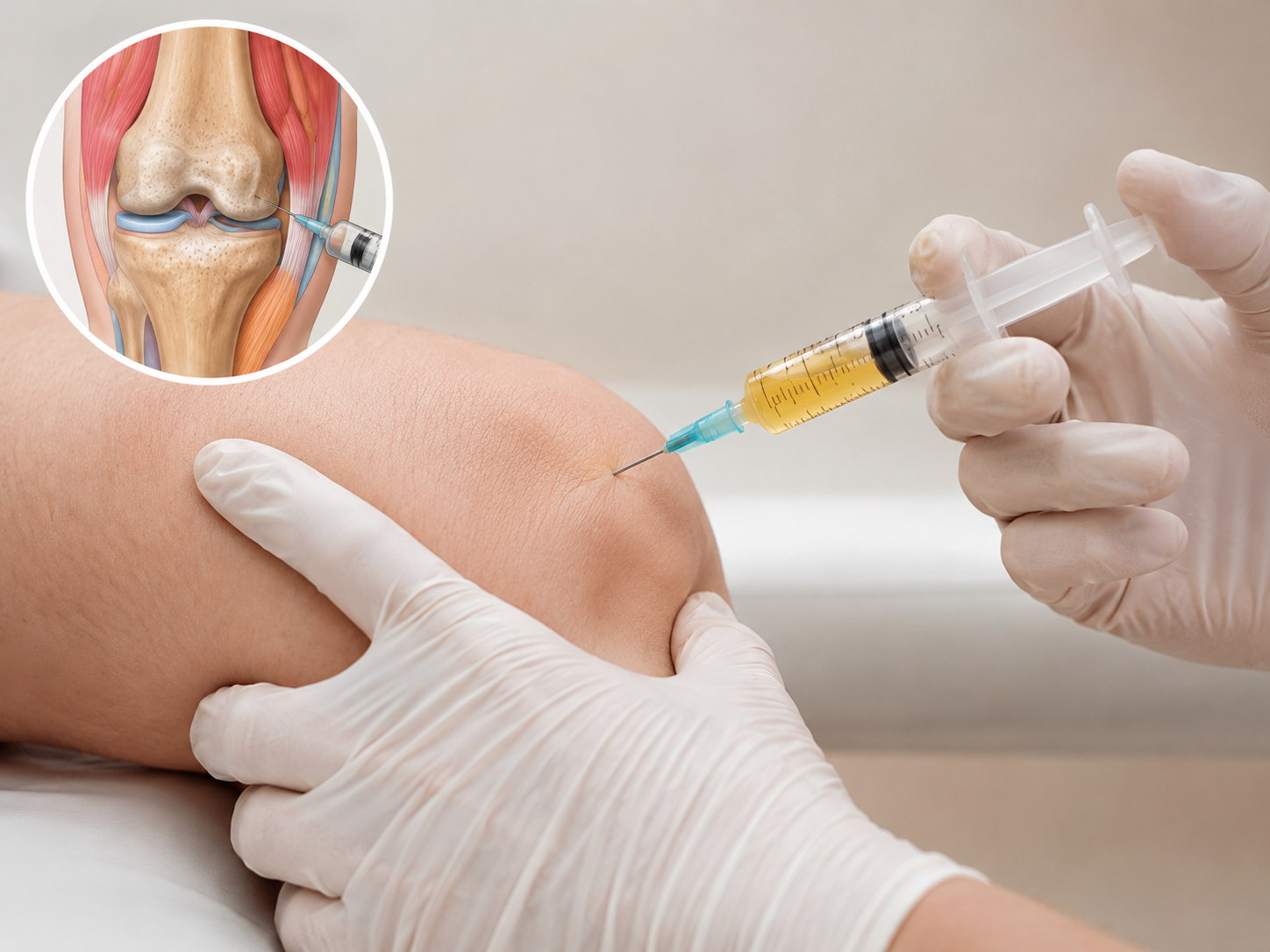
Regenerative medicine
Biological treatments
Injection and biological options in selected indications, always as part of a complete clinical assessment.
Read more
Technology
Surgical planning
Technology used to improve precision and individualise orthopaedic surgery.
Read more
Medical team
INB Orthopaedics
Comprehensive assessment of joint disease, musculoskeletal injury and functional recovery.
Read moreMedical assessment
Do you have shoulder pain, weakness or stiffness?
We review your symptoms, examination and imaging to distinguish tendon, bursa, capsule and arthritis problems and explain which options make sense for your case.