The access is usually only a few millimetres, with less tissue disruption.
Spine · Endoscopic surgery
Endoscopic spine surgery
An ultra-minimally invasive technique for selected disc herniations, stenosis and nerve compression, using a very small incision and high-definition endoscopic vision.
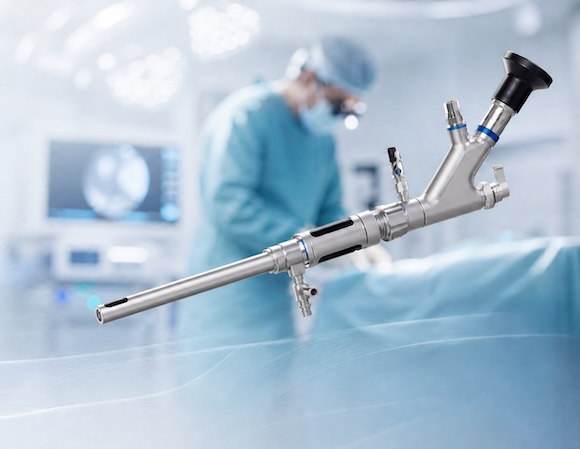
What it is
Treating the spine from within, through a minimal incision.
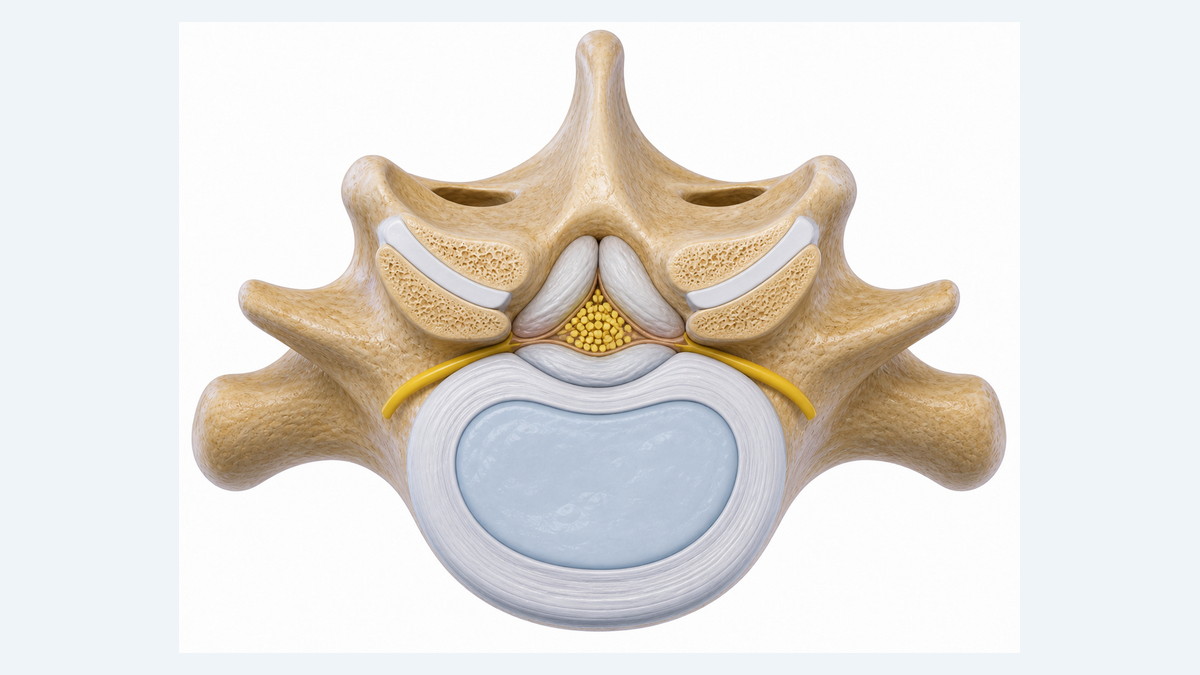
Endoscopic spine surgery reaches the area of nerve compression through a small incision. An endoscope and dedicated instruments are introduced, allowing the surgeon to work under direct vision.
The aim is to release the affected nerve while preserving as much surrounding muscle, ligament and healthy anatomy as possible.
Inside the operating room
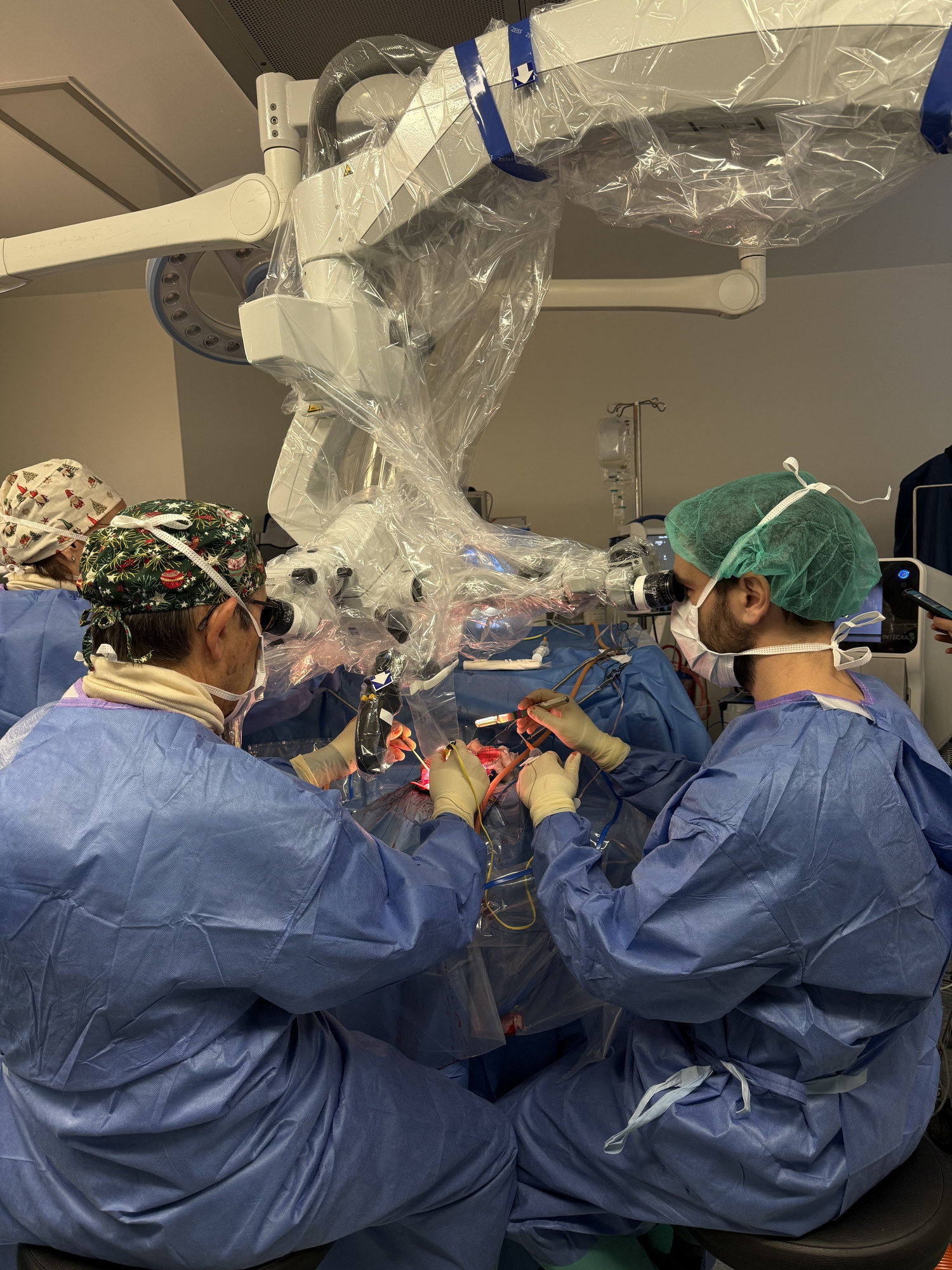
Endoscopic spine surgery, in 25 seconds.
A real look at how we work with endoscopic vision and a minimally invasive approach to treat nerve compression.
Real images from a surgical procedure.
How may it differ for the patient?
When properly indicated, an endoscopic approach may reduce surgical tissue disruption and support a smoother recovery.
It aims to avoid extensive dissection and preserve healthy structures.
The endoscope provides direct visualisation of the nerve compression during surgery.
In selected patients, it may be associated with less postoperative pain.
A precise technique under endoscopic vision
The procedure is planned according to symptoms, clinical examination and imaging.
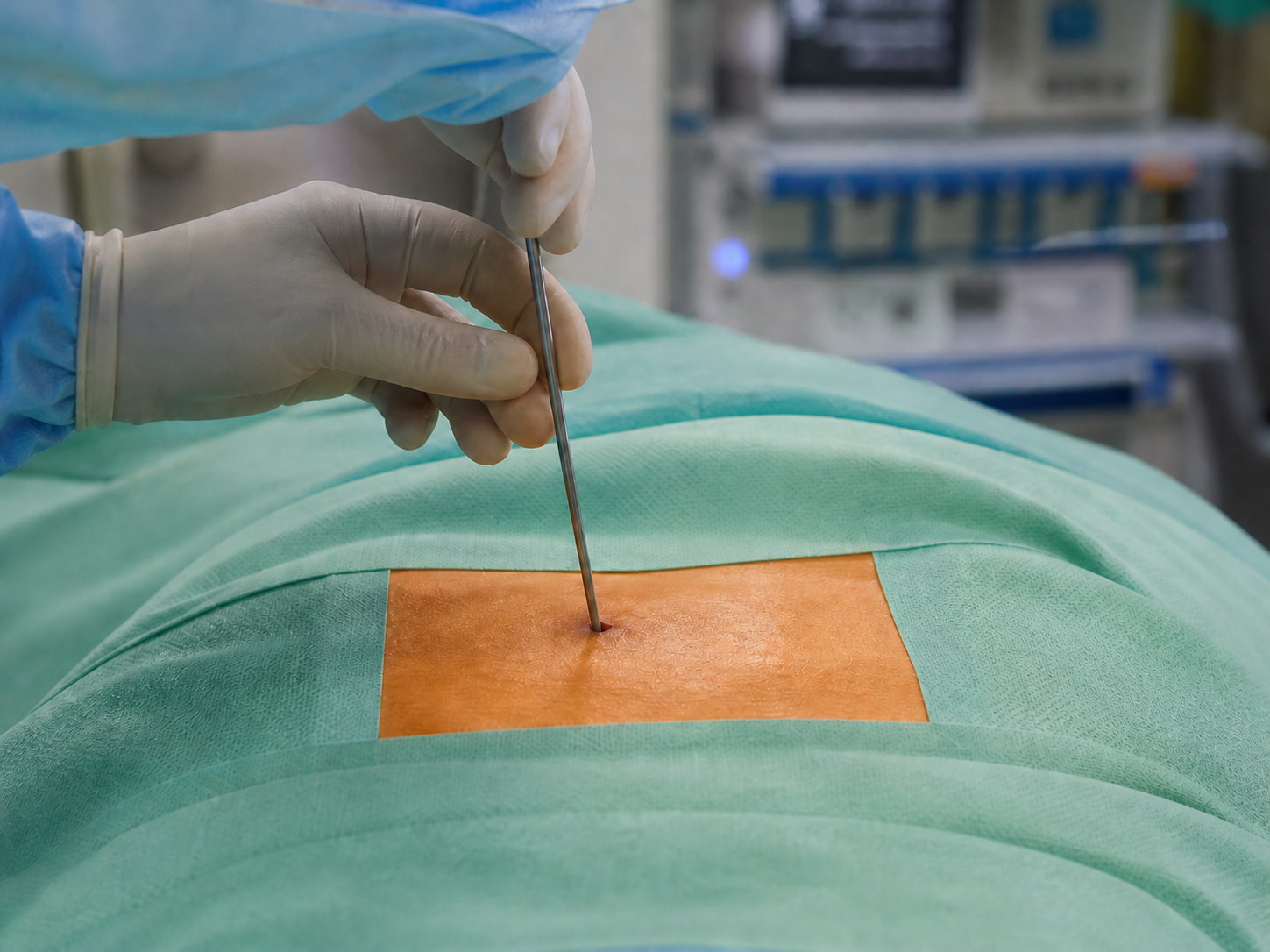
Endoscopic access
The endoscope is advanced to the area of compression. The camera provides a real-time view of the anatomy.
- Small access corridor.
- Direct visualisation.
- Focused work on the affected area.
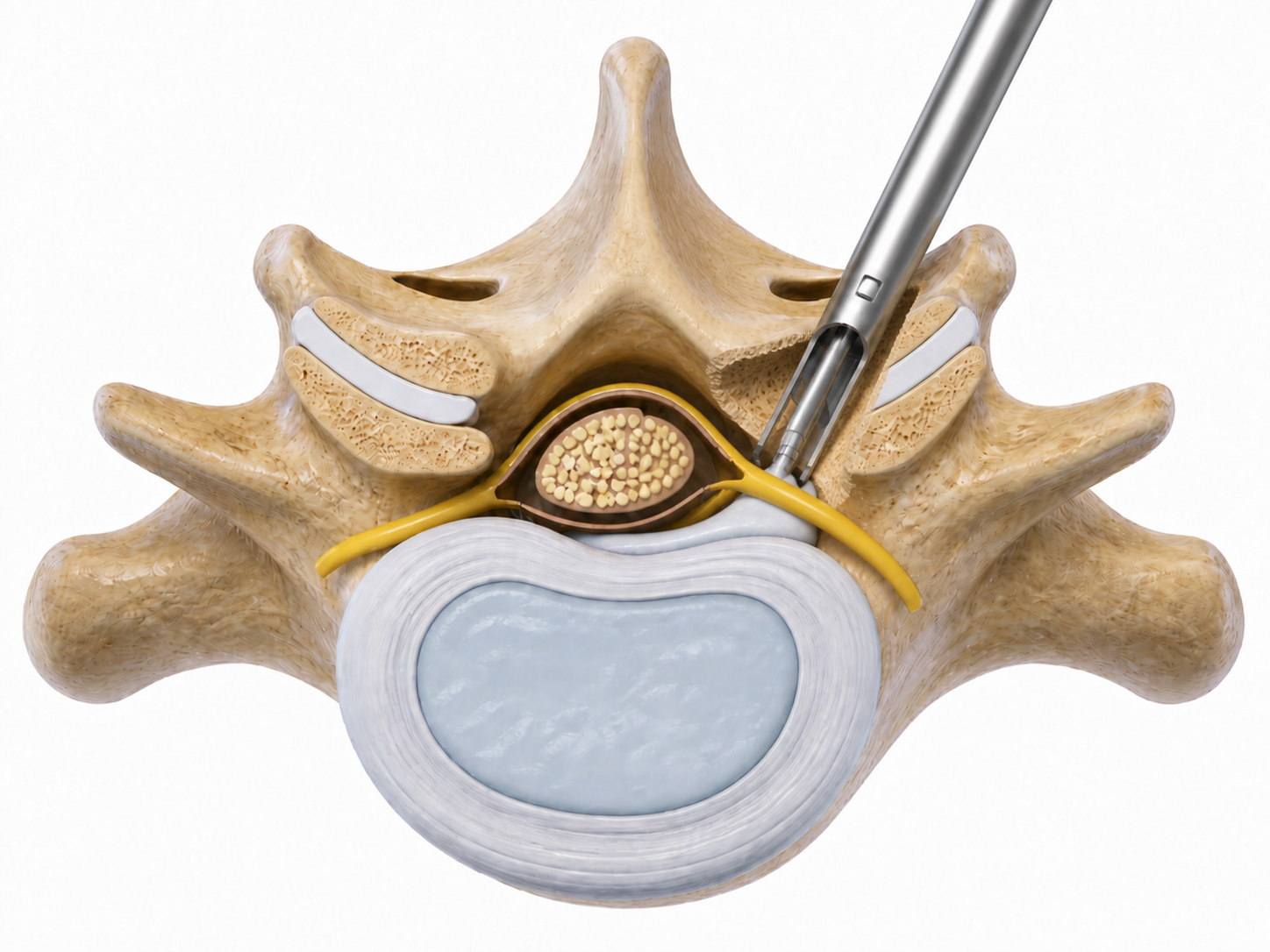
Nerve decompression
The aim is to remove the disc fragment, bone or tissue compressing the nerve while preserving surrounding healthy structures.
- Nerve-root decompression.
- Reduced muscle disruption.
- Anatomical preservation whenever possible.
Medical expertise
Dr Benavente has specific training in endoscopic spine surgery in Germany.
Dr Benavente is a specialist in Orthopaedic Surgery and Traumatology, with a specific focus on spinal disorders and endoscopic techniques.
His training in this field was undertaken in Germany under a team recognised internationally for endoscopic spine surgery.
He also acts as a clinical consultant for Palex Spain in this field, supporting the dissemination and implementation of the technique.
Meet Dr Benavente
Responsible indication
Not every spinal condition should be treated endoscopically.
The decision depends on each individual case:
- Exact location of the nerve compression.
- Type of herniation or stenosis.
- Presence or absence of spinal instability.
- Correlation between symptoms, examination and MRI findings.
- Progress with conservative treatment before surgery is considered.
You may also be interested in
Related information to help understand when an endoscopic spinal technique may be appropriate.
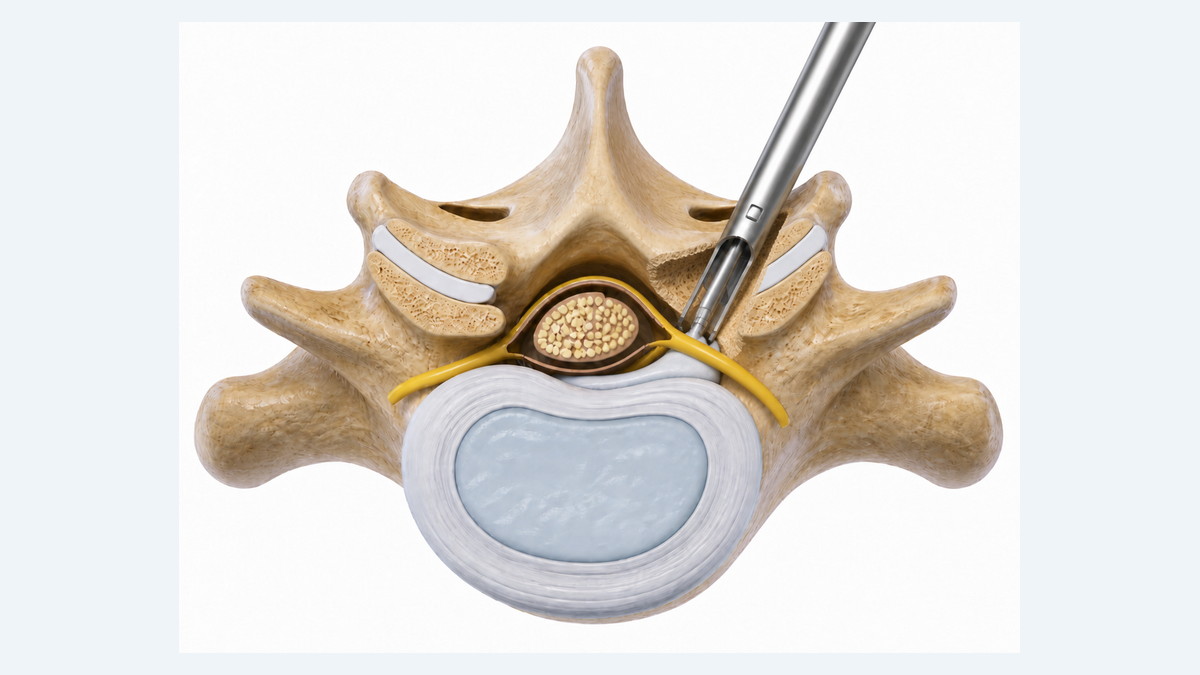
Medical assessment
Would you like to know whether you may be suitable for endoscopic spine surgery?
We review your symptoms, MRI or CT scan and functional situation to explain whether an endoscopic approach may be appropriate.