Pain may appear when walking, standing up from a chair, going downstairs or standing for long periods.
Orthopaedics · Knee osteoarthritis
Knee replacement
If you have knee pain, stiffness, difficulty walking, climbing stairs or notice your leg gradually becoming deformed, knee osteoarthritis may be limiting your daily life.
Do you recognise any of these symptoms?
Knee osteoarthritis usually progresses gradually. Patients often reduce activity, walk less or avoid stairs before consulting a specialist.
Fully bending or straightening the knee may become difficult, especially in the morning or after sitting.
Some patients notice swelling, instability, cracking or the feeling that the knee does not respond properly.
The knee may gradually deviate inward or outward, altering the axis of the leg.
What it is
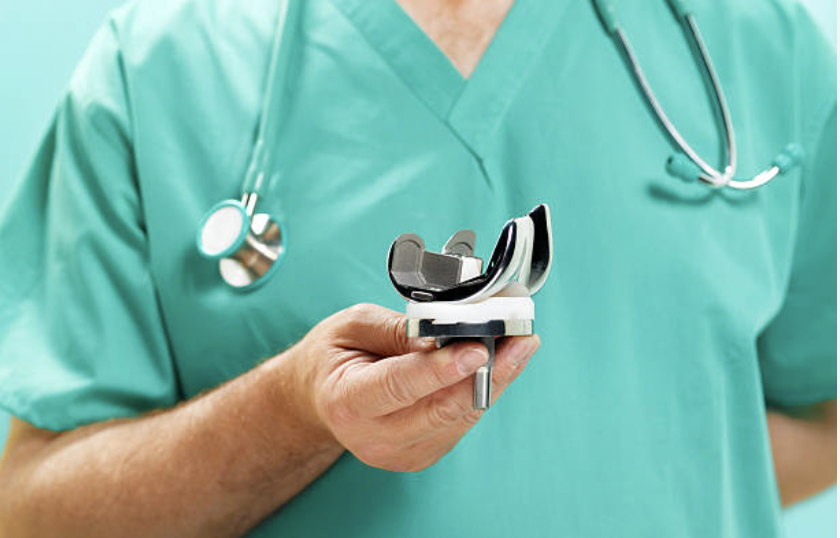
A knee replacement substitutes the worn joint surfaces.
The knee has three main areas: the inner compartment, the outer compartment and the joint between the kneecap and the femur. When cartilage wears down due to osteoarthritis, the surfaces rub against each other and pain, stiffness and limitation appear.
Knee replacement substitutes the damaged surfaces with artificial components designed to reduce pain, improve stability and restore function.
When to consult
You do not need to wait until walking becomes impossible.
Consult a specialist if:
- Knee pain limits your daily life.
- You are walking less or avoiding stairs.
- The knee often swells or locks.
- You notice progressive leg deformity.
- Medication, physiotherapy or injections no longer help.
Surgery
The aim is to relieve pain and restore stability.
In knee replacement surgery, the worn joint surfaces are removed and components are placed to replace the damaged part of the joint.
Surgery aims to restore alignment, achieve good ligament balance, improve mobility and allow progressive functional recovery.
Recovery
Rehabilitation is essential after knee replacement.
In many cases, patients begin to stand and walk with assistance within the first 24 hours. Pain control, swelling control and mobility are important from the beginning.
Recovery requires physiotherapy, progressive exercises and medical follow-up. The goal is to regain strength, mobility, confidence and the ability to perform daily activities.
Common questions about knee replacement
When pain, stiffness or deformity limit daily life and conservative treatments are no longer sufficient.
It depends on whether osteoarthritis affects the whole knee or only one compartment. This is decided after assessing each case.
Improvement is progressive. Joint pain often decreases, but recovering strength and mobility may take weeks or months.
Many patients can return to low-impact activities such as walking, stationary cycling or swimming.
You may also be interested in
Related information to better understand osteoarthritis, joint replacement surgery and functional recovery.
Orthopaedics
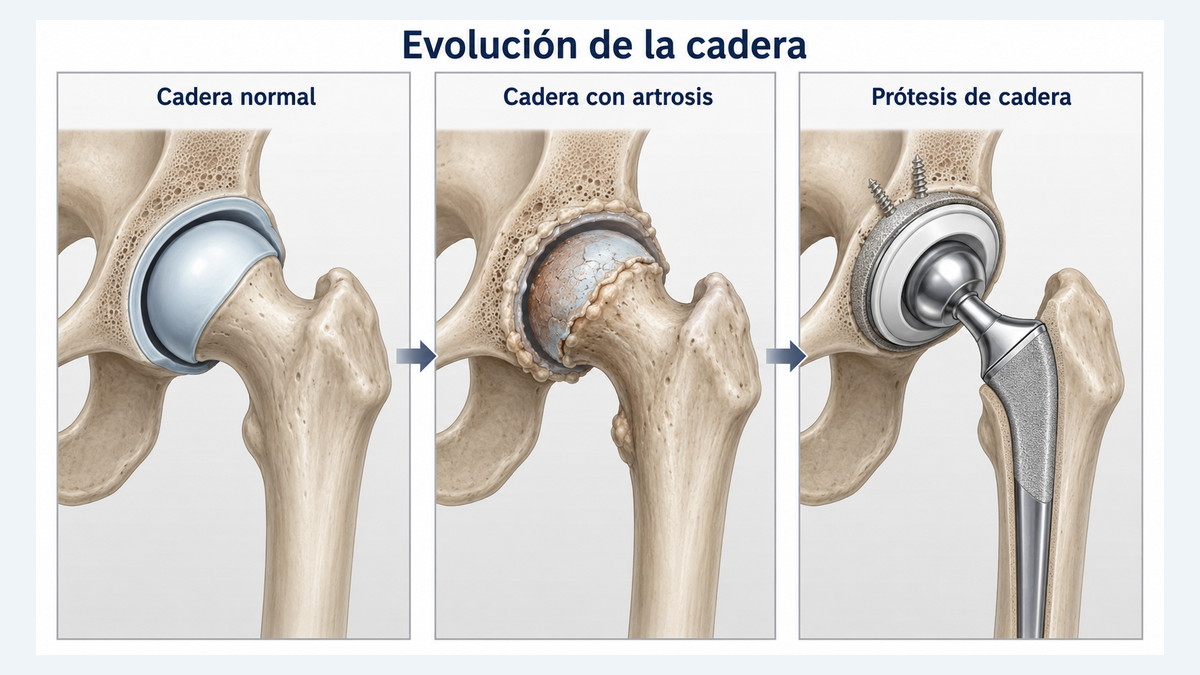
Hip replacement
Treatment for advanced hip osteoarthritis when pain limits daily life.
Read more
Technology
Surgical planning
Technology applied to precision, safety and personalisation of surgery.
Read more
Medical team
Orthopaedics and spine
A coordinated team to assess joint disease, spine conditions and functional recovery.
Read more
Medical assessment
Would you like to know whether you need a knee replacement?
We review your symptoms, mobility, leg alignment and imaging tests to explain whether conservative treatment is still an option or whether knee replacement may help you.