This may be caused by a disc herniation or compression of a nerve root. Persistent pain, tingling or loss of strength should be assessed carefully.
Neurosurgery · Spine · Surgical precision
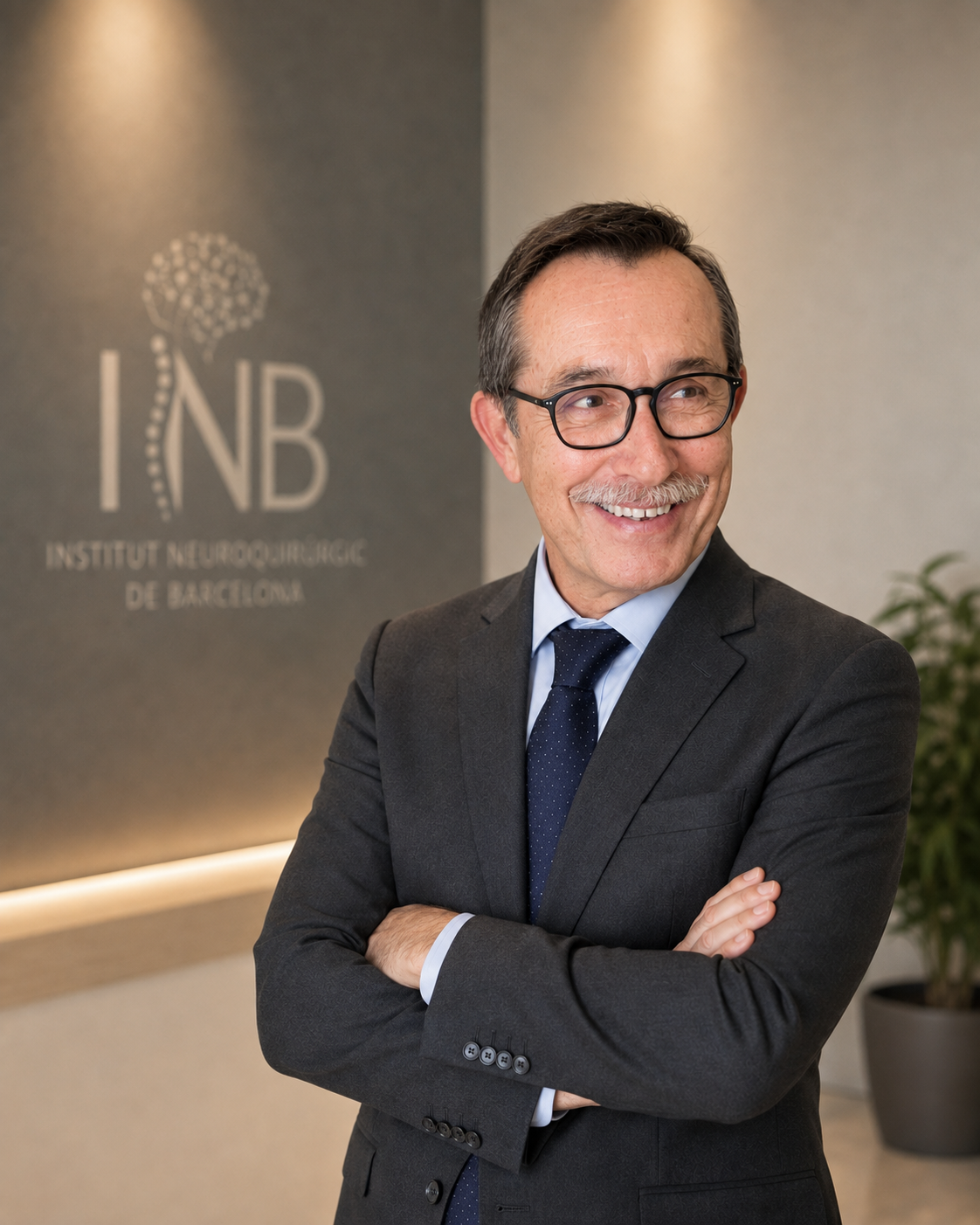
Dr. Luis Hernández Pascual
Neurosurgeon specialised in spine disorders and cranial neurosurgery. His work focuses on understanding the true source of the problem, avoiding unnecessary surgery and recommending the most appropriate treatment when surgery can provide a real benefit.
Medical approach
Listening to the patient, reviewing the images carefully and deciding with prudence.
Many patients come to consultation with pain, concern and doubts after receiving an MRI report or a surgical recommendation. The first step is to understand what the patient is really feeling: where the pain is, where it radiates, what it limits, how long it has been evolving and which treatments have already been tried.
Dr. Hernández combines this information with the neurological examination and imaging tests. His priority is to distinguish which cases may improve without surgery, which require follow-up and which may benefit from a precise intervention.
“Good surgery begins long before the operating room: it begins with the right indication.”
When can a neurosurgical assessment help?
Not every back or neck pain requires surgery. However, certain symptoms suggest that the case should be reviewed by a specialist.
When the patient needs to stop frequently, sit down or bend forward to relieve the legs, lumbar spinal canal stenosis may be present.
In some cases, this may be related to a cervical disc herniation or nerve compression causing pain, numbness or weakness.
If surgery has already been recommended, an independent review can help you understand alternatives, risks and realistic expectations.
Responsible indication
It is not about operating more, but about indicating better.
The decision to operate is not made by looking at an MRI alone. The symptoms, the physical examination and the images must all point to the same problem.
- Exact location of the pain and nerve compression.
- Time course and response to previous treatments.
- Presence or absence of loss of strength, sensation or walking ability.
- Real impact on daily life, rest and independence.
- Possibility of using less aggressive techniques when indicated.
Training, experience and surgical evolution
A career focused on neurosurgery, complex spine disorders and the progressive incorporation of precision techniques.
Medicine and Surgery at UAB
Graduate in Medicine and Surgery from Universitat Autònoma de Barcelona, he oriented his career towards the treatment of nervous system disorders and spinal pathology.
Neurosurgical training in Barcelona
He trained as a neurosurgeon between Hospital de la Creu Roja de Barcelona and Hospital General Universitari Vall d’Hebron, gaining experience in cranial, spinal and complex neurosurgical pathology.
Complex spine pathology in France
He furthered his training in complex spinal pathology with European specialists in Bordeaux and Paris, incorporating an advanced perspective on spine treatment.
Minimally invasive techniques
He has maintained a continuous interest in microsurgery, percutaneous techniques and less aggressive approaches when they can offer a real benefit to the patient.
Clinical focus
Spine, microsurgery, neuronavigation and cranial neurosurgery.
His activity focuses especially on lumbar and cervical pathology: disc herniation, spinal canal stenosis, nerve root compression, revision surgery and complex spine cases. He also maintains a clinical focus on cranial neurosurgery and selected intracranial pathology.
Disc herniation and nerve compression
Assessment of radiating pain, sciatica, brachialgia, tingling or loss of strength
when compression of a nerve root may be present.
Spinal canal stenosis and walking difficulty
Evaluation of patients with leg pain or heaviness that worsens when walking
and improves when sitting or bending forward.
Microsurgery and neuronavigation
Use of surgical technology to increase precision, improve planning
and operate more safely in delicate areas.
Revision surgery and complex cases
Individualised assessment of patients who have already undergone surgery
or have advanced spinal pathology, seeking the best option in each case.
Conditions he commonly assesses
Useful information to better understand some of the most common reasons for consultation in spine neurosurgery.
Spine
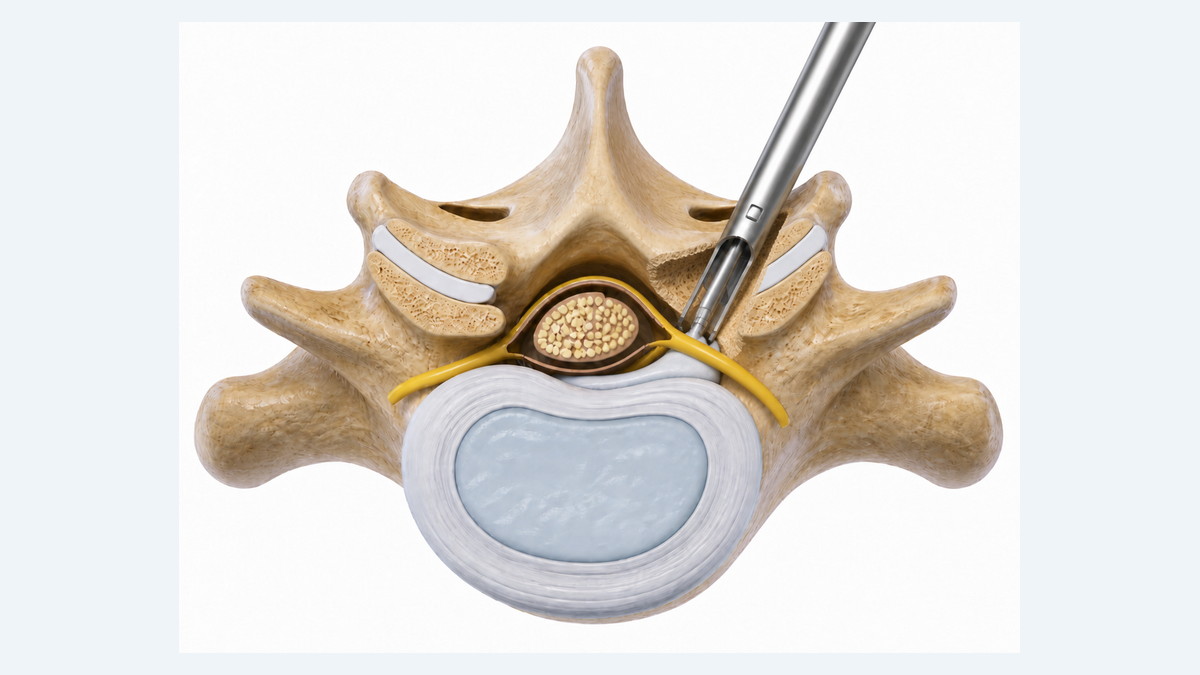
Disc herniation
Radiating pain, sciatica, tingling or loss of strength due to nerve compression.
Read more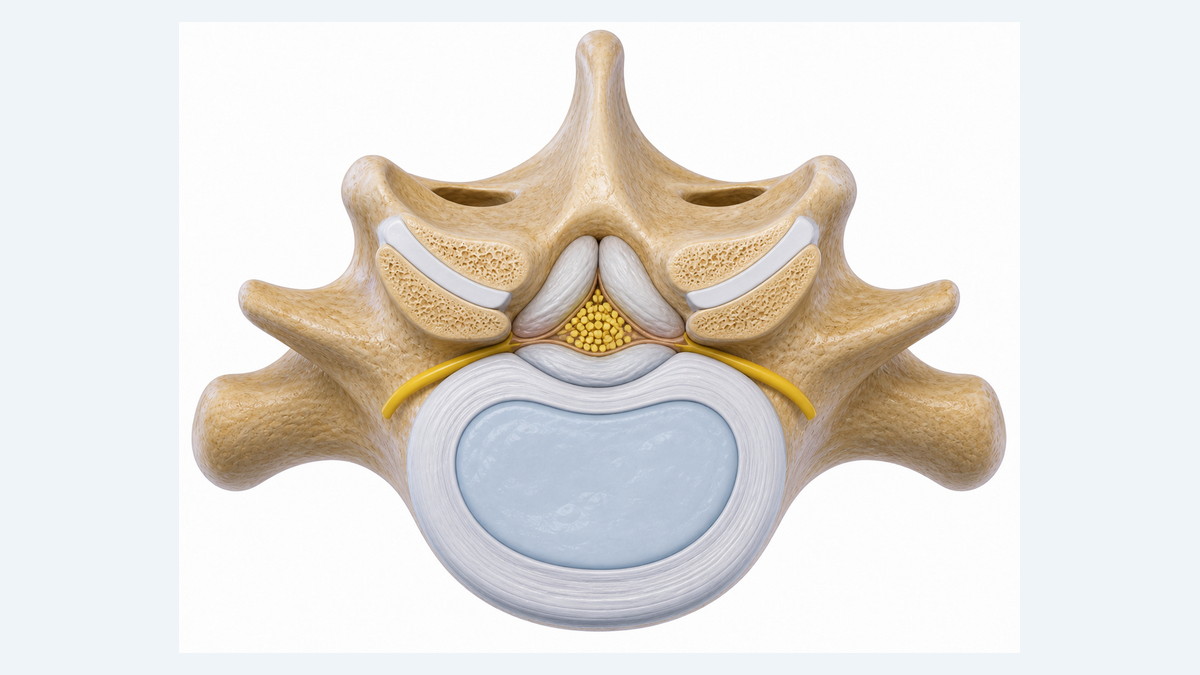
Lumbar spine
Spinal canal stenosis
Difficulty walking, heaviness in the legs and compression of the lumbar nerves.
Read more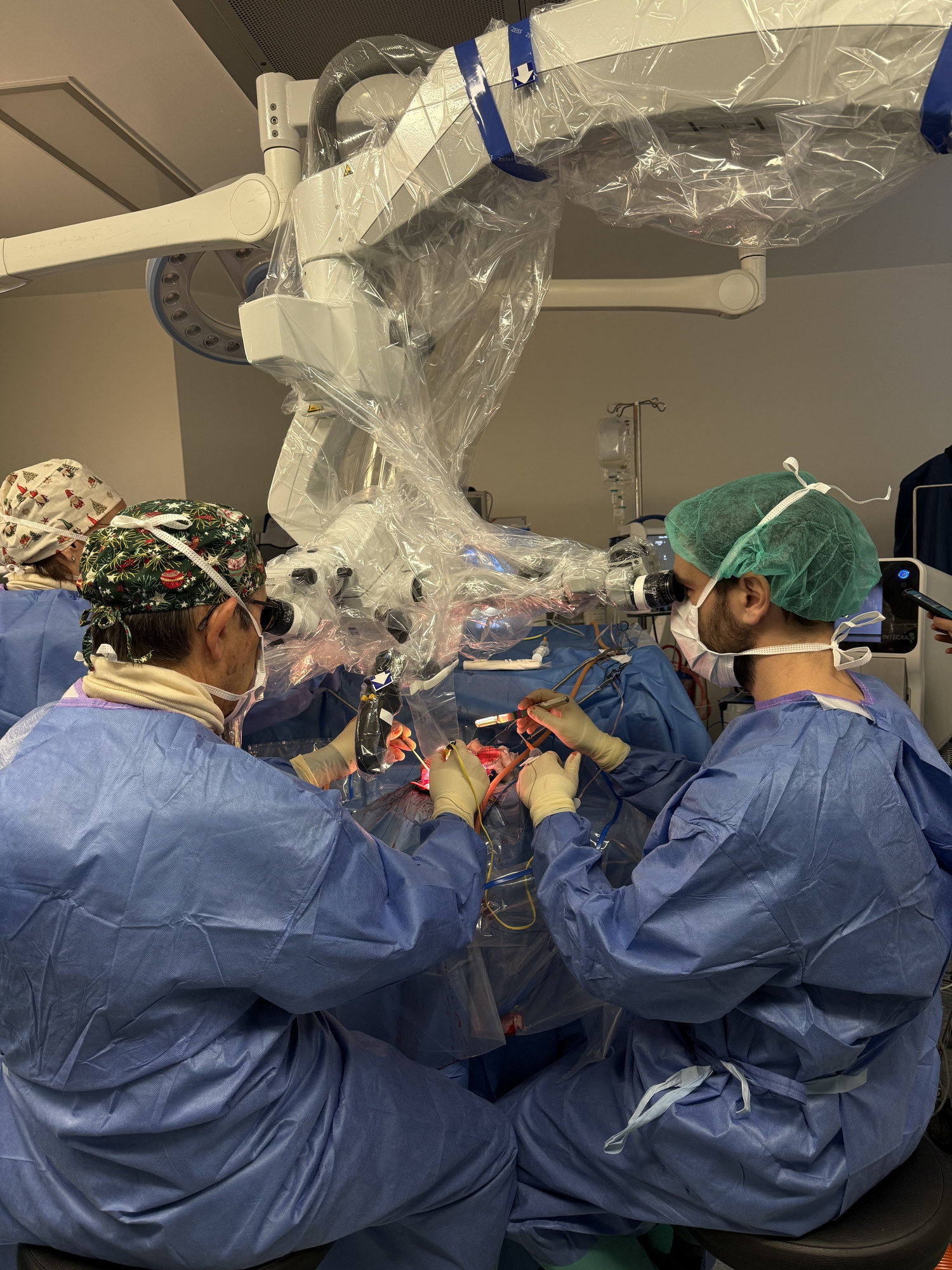
Technology
Surgical technology
Microsurgery, neuronavigation and advanced tools applied with medical judgement.
Read more
Medical assessment
Would you like to discuss your case with Dr. Hernández?
You can contact the INB Barcelona team to request a consultation, review imaging tests or assess whether there is an appropriate treatment option.