This is commonly known as sciatica. It may travel through the buttock, thigh, calf or down to the foot.
Lumbar and cervical spine · Disc herniation
Disc herniation
If you have pain radiating down your leg or arm, tingling, numbness or loss of strength, a disc herniation may be compressing a nerve.
Do you recognise any of these symptoms?
A disc herniation may cause local pain, but it becomes more relevant when it compresses a nerve root and pain radiates into a leg or an arm.
In cervical disc herniations, pain may radiate towards the shoulder, arm, hand or fingers.
You may feel an electric sensation, burning, tingling or loss of sensation in a specific area.
If your foot, leg, hand or arm feels weak, it is important to have it assessed without delaying too long.
What it is
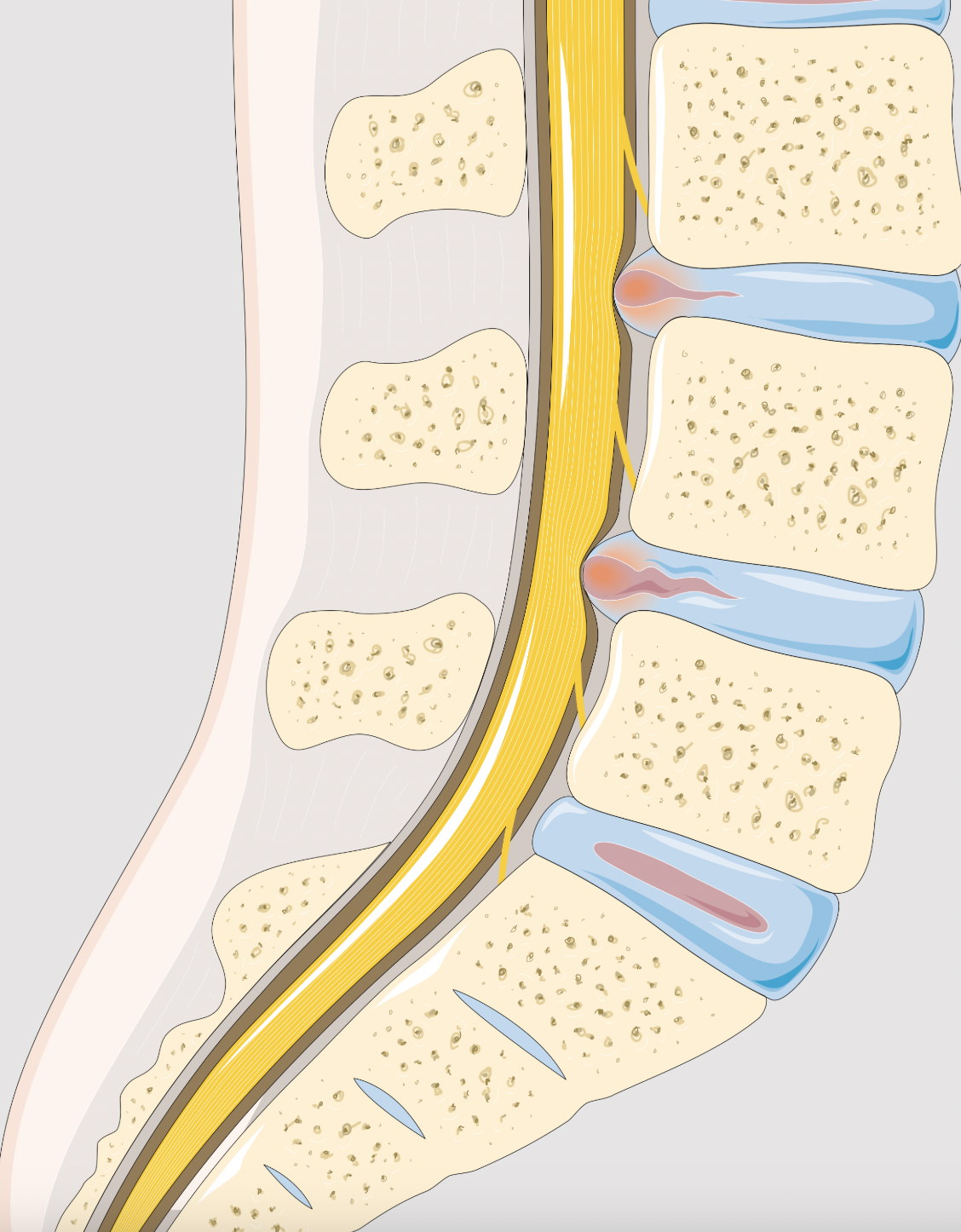
A disc herniation is a disc compressing a nerve.
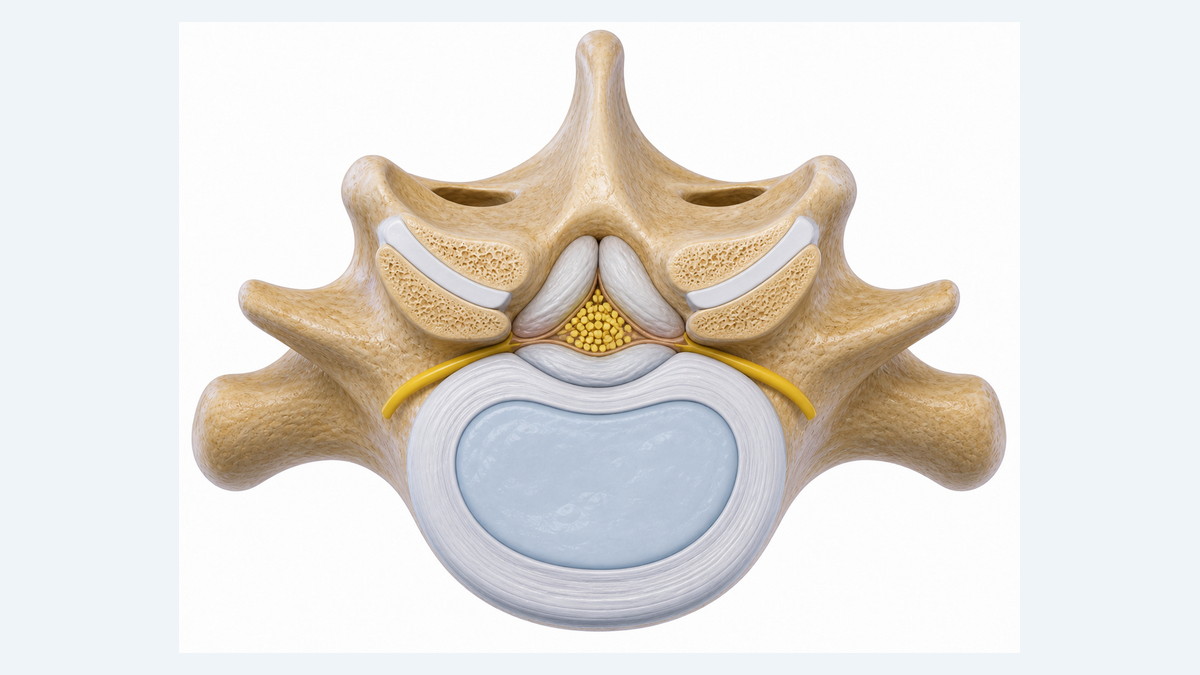
Between the vertebrae there are discs that act as shock absorbers. When part of a disc moves backwards, it may touch or compress a nerve root.
If this occurs in the lumbar spine, pain usually radiates down the leg. If it occurs in the cervical spine, it may radiate into the arm. Symptom intensity depends on the size of the herniation, inflammation and the degree of nerve compression.
When to consult
Not every disc herniation requires surgery, but some should be assessed early.
Consult a specialist if:
- Pain clearly radiates down the leg or arm.
- Pain does not improve with medication, relative rest or physiotherapy.
- You notice tingling, numbness or loss of sensation.
- There is loss of strength in the foot, leg, hand or arm.
- Pain prevents you from sleeping, working or living normally.
If you experience loss of bladder or bowel control, numbness in the genital area or marked weakness when walking, urgent medical assessment is needed.
Surgery
The aim is to release the compressed nerve.
When pain is very intense, persists despite conservative treatment or loss of strength appears, surgery may be the best option.
The procedure aims to remove the disc fragment compressing the nerve. It may be performed using microsurgery or endoscopic technique depending on the type of herniation, its location and each patient’s characteristics.
Common questions about disc herniation
No. Many disc herniations improve with conservative treatment and medical follow-up.
When there is disabling pain, loss of strength, neurological deficit or failure of conservative treatment.
Not always. It may have other causes. That is why symptoms must be correlated with MRI findings and clinical examination.
It depends on the type of surgery and each patient. Return to activity is often progressive over the following weeks.
You may also be interested in
Related information to better understand sciatica, nerve compression and treatment options.
Lumbar spine
Spinal canal stenosis
A common cause of pain, leg heaviness and difficulty walking.
Read more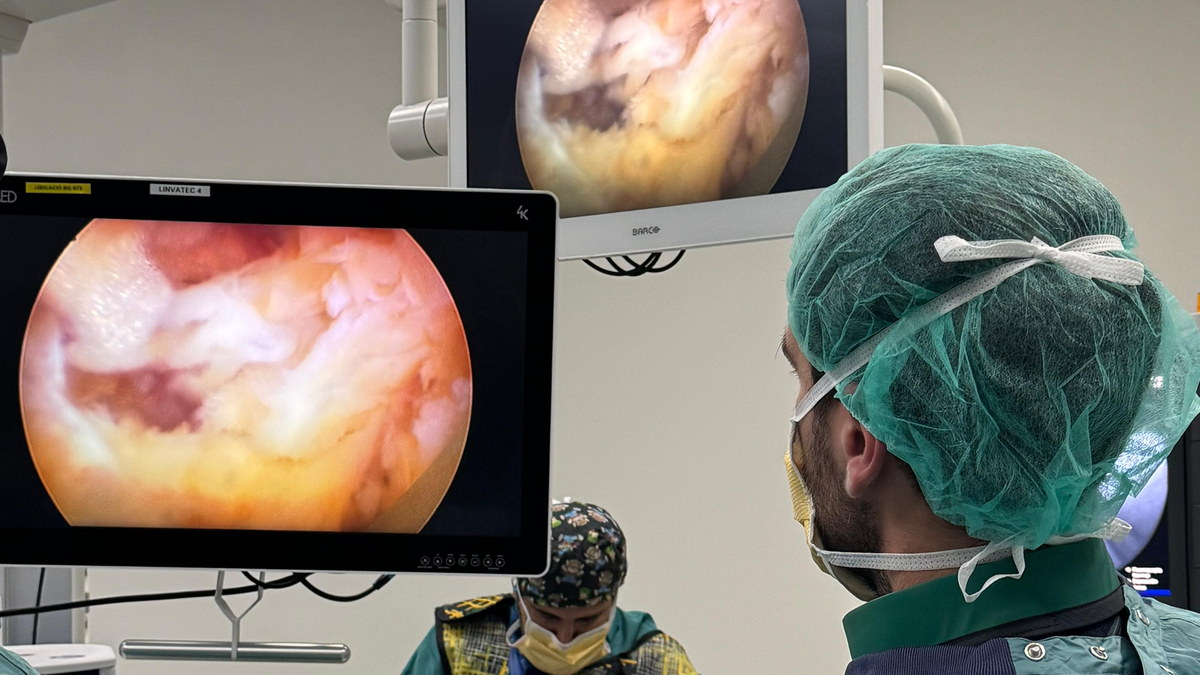
Endoscopic surgery
Endoscopic spine surgery
An ultra-minimally invasive technique for treating nerve compression in selected cases.
Read more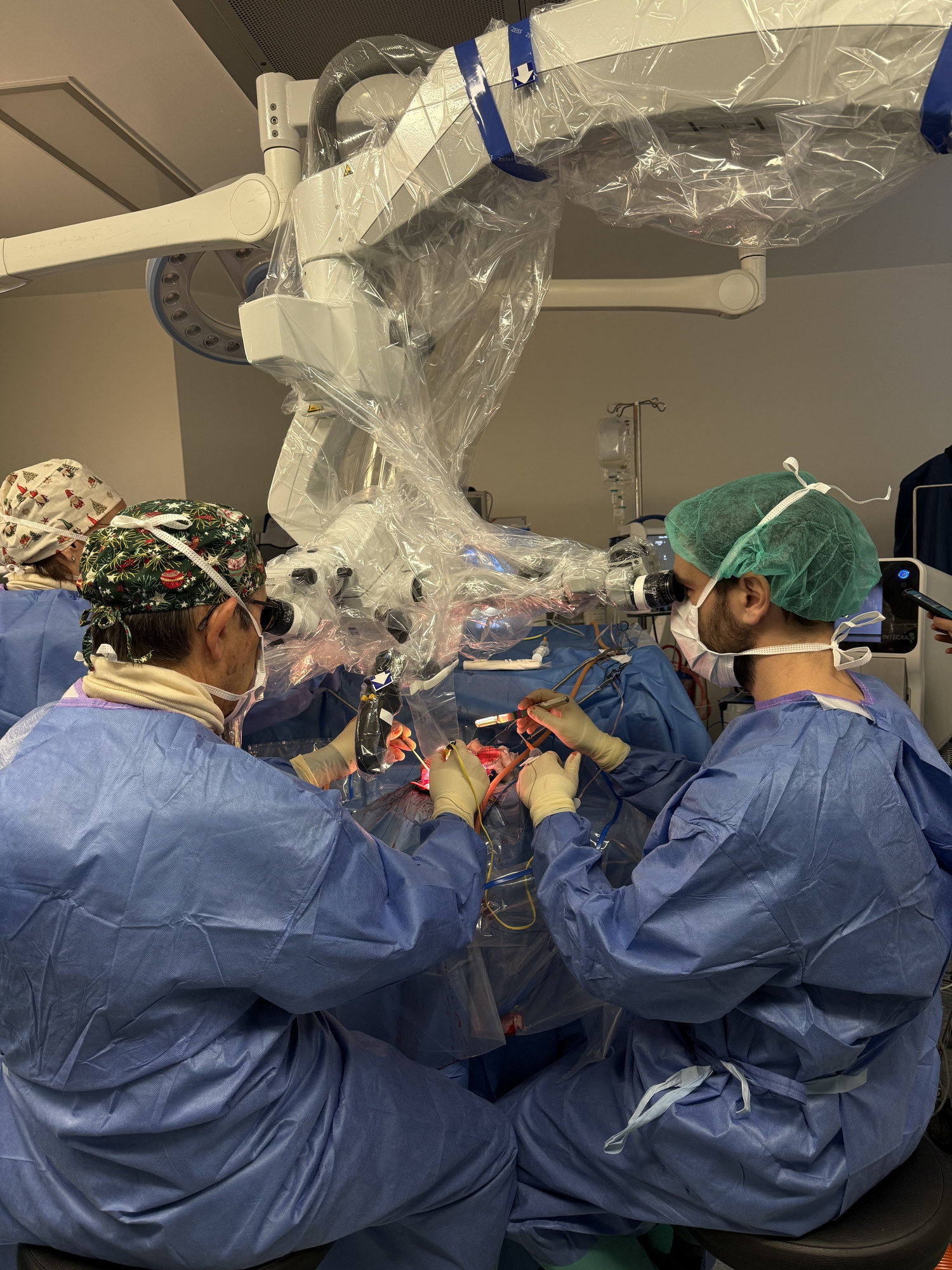
Technology
Surgical technology
Microsurgery, neuronavigation, endoscopic surgery and technology applied to precision.
Read more
Medical assessment
Would you like to know whether your disc herniation has a solution?
We review your symptoms and imaging tests to clearly explain whether conservative treatment should continue or whether a surgical technique should be considered.