It often appears on one or both sides of the spine, without necessarily radiating down to the foot.
Spine · Mechanical back pain
Facet joint syndrome
If you have lower back or neck pain that worsens when standing, rotating your trunk or extending your back, the origin may be in the facet joints of the spine.
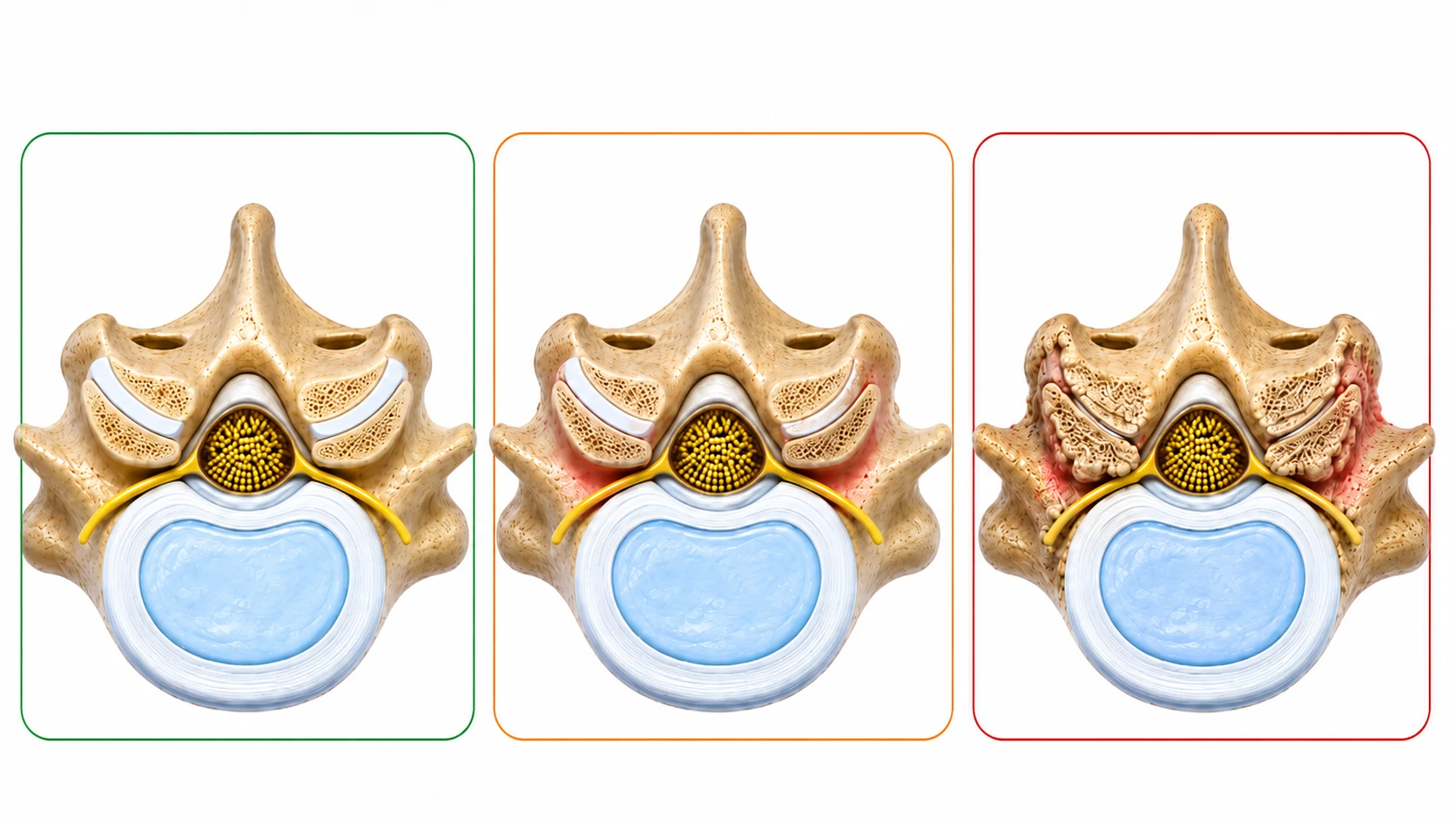
Do you recognise any of these symptoms?
Facet pain is usually mechanical: it changes depending on posture, movement and the time spent standing or sitting.
It may increase when standing, walking for a long time, rotating the trunk or arching the back.
Stiffness on waking is common and may gradually improve with movement.
In the cervical spine, it may radiate towards the back of the head, shoulders or interscapular area.
What it is
Facet joints are small posterior joints of the spine.
Facet joints connect the vertebrae at the back of the spine and help provide stability and movement. With age, overload or certain postures, they may become inflamed or worn.
When these joints are the source of pain, we refer to facet joint syndrome. Unlike a disc herniation, it usually does not cause pain that clearly travels down the leg to the foot.
When to consult
Facet pain can improve, but it is important to identify the source properly.
Consult a specialist if:
- Lower back or neck pain persists for several weeks.
- It worsens when standing, walking or extending the back.
- It limits your daily activity or night-time rest.
- You need painkillers continuously.
- The pain repeatedly returns despite physiotherapy.
Interventional techniques
Treatment targets the joint or the nerve transmitting the pain.
Facet injections involve administering anti-inflammatory and anaesthetic medication around the facet joint or the medial branch, the nerve that transmits pain from this joint.
Radiofrequency aims to temporarily interrupt pain transmission from the medial branches using controlled energy. These are minimally invasive procedures and are usually outpatient.
Common questions about facet joint syndrome
No. Facet joint syndrome comes from the posterior joints; a disc herniation compresses a nerve root.
MRI may show facet arthritis, but diagnosis also depends on symptoms and physical examination.
They may reduce pain and inflammation, but they should be combined with rehabilitation and correction of mechanical factors.
It is not open surgery. It is a minimally invasive technique targeting the nerves that transmit pain.
You may also be interested in
Related information to better understand other common causes of low back pain and radiating pain.
Spine
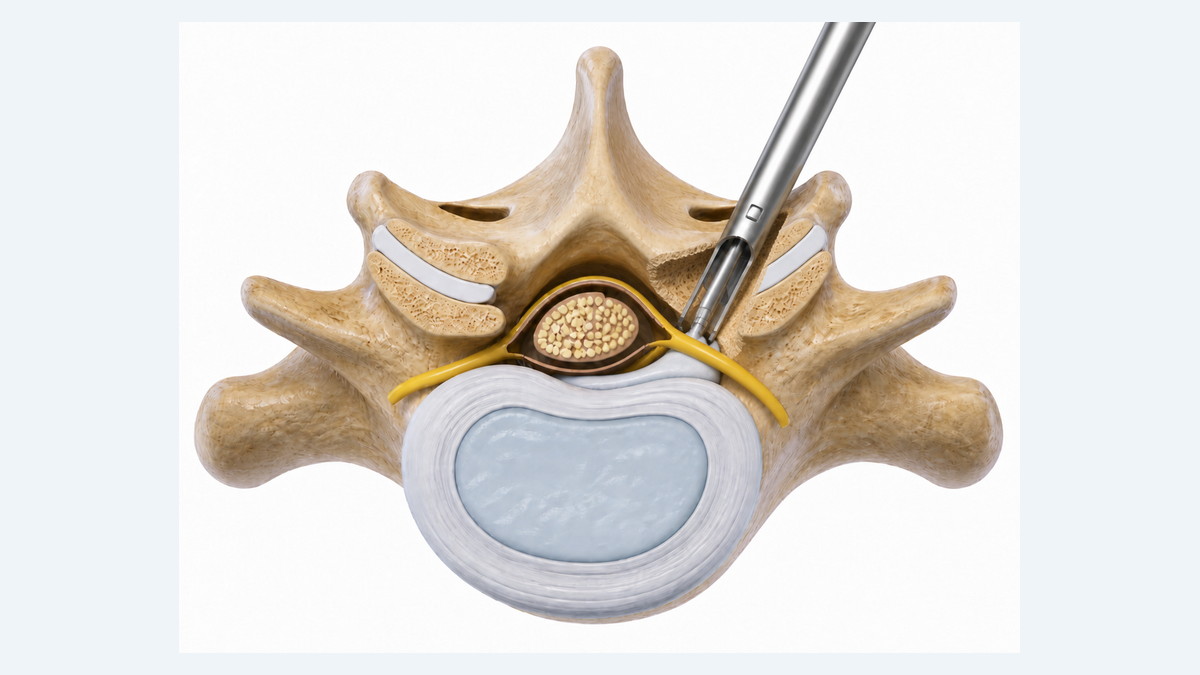
Disc herniation
When a herniated disc compresses a nerve root, it may cause sciatica, tingling or weakness.
Read more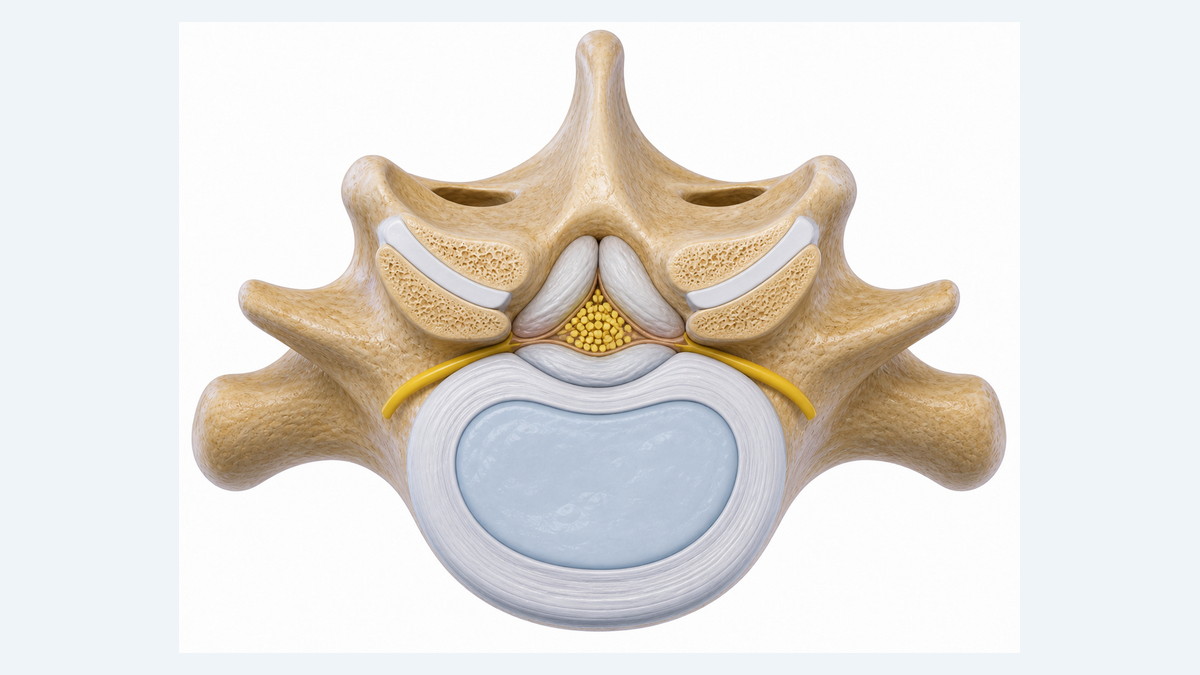
Lumbar spine
Spinal canal stenosis
A common cause of pain, heaviness in the legs and difficulty walking.
Read more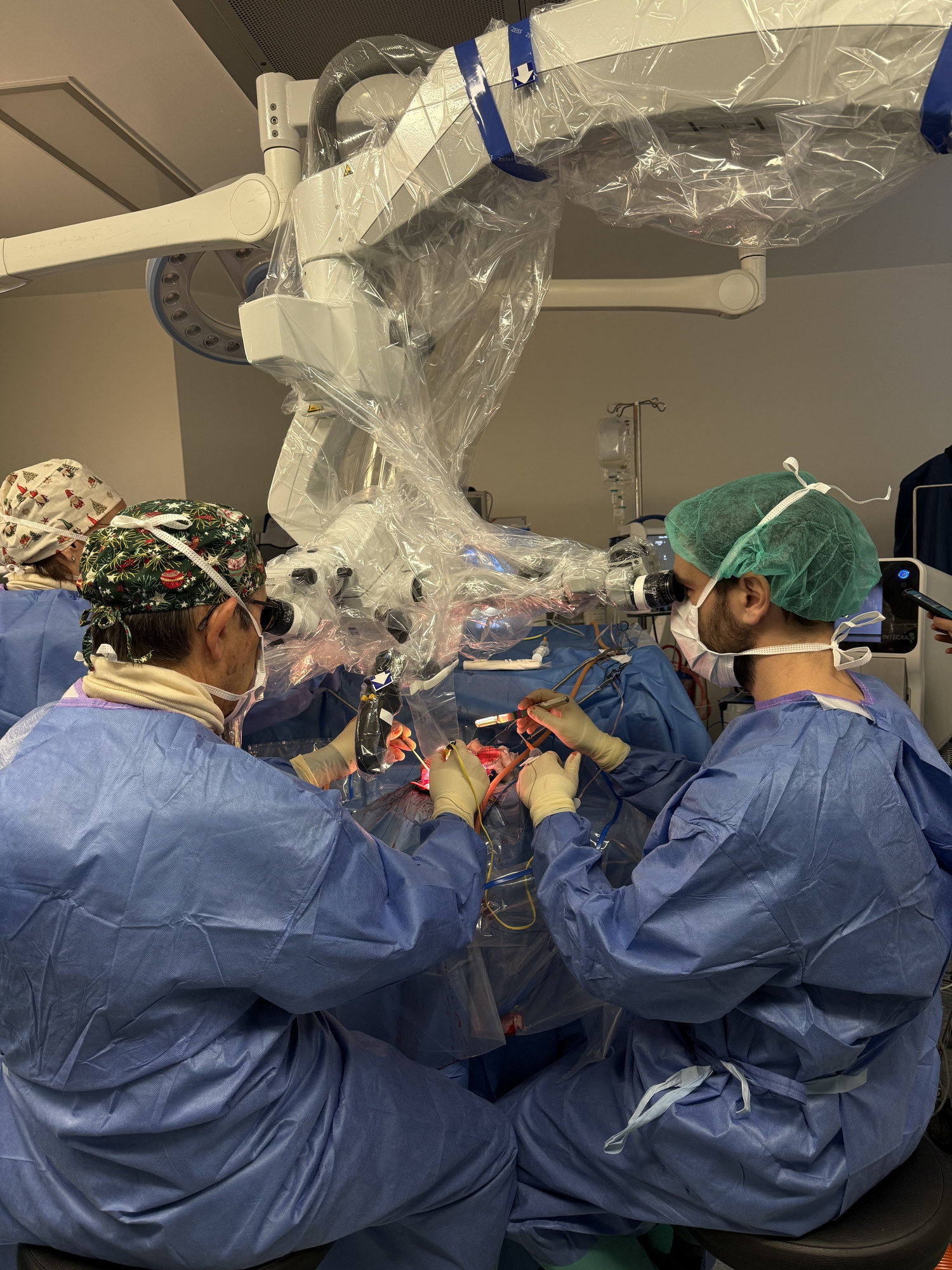
Technology
Surgical technology
Microsurgery, neuronavigation and technology applied to surgical precision.
Read more
Medical assessment
Would you like to know if your pain may be facet-related?
We review your symptoms, physical examination and imaging tests to assess whether the source of pain may be in the facet joints and which options you have.